Thursday, November 19, 2015

How do I buy Xango in Cape town South Africa or anywhere else: China, Europe, UK, USA


Xango is getting popular, and the following steps will help you order online in South Africa, China, Europe, UK or the USA:

Purchase with ease of mind through our authorized Xango official website:

http://my.xango.com.sg/xan2power/

Please do the following:

1. Select your country
2. Click Go
3. Scroll to the bottom: Click on "Sign up"
4. In the pop up page - Choose New Sign up
5. Select one of two options - Distributor or Preferred Customer.

Note: If you wish to buy the products for your own use, Preferred Customer is simpler and less hassle and there are no membership fees involved.  If you wish to build a network and market  products to others - then you should opt to be a Distributor.

If you have nay questions, feel free to get back to me!

Friday, July 24, 2015

Sugar time Bomb: Disturbing information on hidden sugars and their deadly effects

A good documentary on Sugar - which is a more significant factor than fat in causing diabetes and obesity.

And its links to cancer, Alzheimer's Disease , Heart disease. fatty liver disease etc.


Tuesday, June 30, 2015

Muscle Building Supplements Scam Exposed

Here's a daring expose by a body builder, Gert Louw from the article "A massive bodybuilding supplement syndicate scam exposed", which appears on his site.

The list of 30 supplements use the internet to sell their products.  There is no shop selling it.  The modus operandi is to get users to buy with their credit card at a low price during the "trial period" and the small print is that the card is deducted every month in subsequent months.

His direct experience: his "before and after" photos are used, without permission, and associated with different (false) names.

 
 Gert Louw with Expose of Scam Muscle Building Products

Details at : http://gertlouw.com/category/exposed-supplements/

Be forewarned!


Thursday, April 30, 2015

Running 5 miles to build your cardio endurance and lung capacity? You may be barking up the wrong tree.

Which is better for developing your Heart muscle and Lung capacity as you age?
Cardio-vascular Endurance type Exercises or Short burst Intensive type Exercises? 

The former includes aerobics, jogging for miles or running on the treadmill for a long period of time.  Short intensive bursts, like the name suggests - is of much shorter duration - more intense followed by rests (work intensity up gradually through time with training). Dr Al Sears in the video below expounds his PACE training.

We advocate Bio Chi exercises which comprise of long, slow and deep abdominal & thoracic breathing, but at the intermediate levels - we have faster and more intense type movements that Dr Sears talk about. We will cover Bio Chi qigong exercise benefits in a later article.

Now, let's hear from Dr Al Sears. 


Monday, April 06, 2015

Reversing Telomeres shortening: the reversal of Aging and Disease? A bold video from Dr Al Sears

A pioneering medical doctor and researcher Dr Al Sears shares powerful information on the effects of REVERSING telomeres shortening.

Learn how to improve Heart capacity, lung capacity and sexual reproduction.


Click here to watch on youtube

Friday, February 13, 2015

Parkinson's Disease and Tai chi. How does Tai chi help? - A Tai chi master discusses this topic


PARKINSON's Disease and TAI CHI

Parkinson's Disease, or PD, is most common amongst the elderly. It generally  affects people in the 70's and 80s.  Sadly it is also beginning to affect the 'younger' set - and people in their 50's also have the disease. The illness is a movement disorder characterised by the decrease of or slow physical movement, trembling of the arms, jaw or head, legs, hands, rigidity of the limbs and diminished balance.

If you are facing Parkinson's disease or you want to help others, you should keep reading. Do you know one of the most effective ways to manage or potentially slow the onset of  this disease?

Have you heard of Tai Chi?
This methodology is certainly one of the best exercises that assist Parkinson's disease. And how does it help?

Many medical researches demonstrate quantifiable improvements in muscle strength owing to the unsupported arm exercise which strengthens the upper body and enhanced core strength and gains for the lower extremities. The possibility of falls in old age and equilibrium is improved reduced owing to the discipline's power to preserve proprioception, which is the capability to feel the location of the body of one's in space. Healing is facilitated by developments in muscle strength and flexibility. Tai Chi has also been found to decrease the fear of falling, which actually reduces the likelihood of a fall.

The cardiac benefits OF THE POWER OF Tai Chi are also notable, especially regarding hypertension, heart failure, heart disease and recovery from strokes. Furthermore, Tai Chi is of advantage to those with depression light to fairly severe Parkinson's disease and osteoporosis.

How does Tai Chi chuan help Parkinson's?
Many different variations of Tai chi has developed over the years and each type has distinct advantages. The most famous 'forms' or sets of movements are Yang style, Wu style and Chen style.

Each has its similarities and differences.  The common thread among them all - is that Tai chi is a set of flowing, non-stop set of movements.  They are a linked choreographed set of patterns of moves involving the arms and legs, fingers and eyes in a beautiful and enchanting harmony and synchrony. The movements are not repetitive.  And they are asymmetrical.  

It is different from say, calisthenics or yoga - which have moves which are "stop-start" in nature that is you do a particular move and you repeat it a certain number of repetition.  Then you move to the next move.  In Tai chi, you move on, as if in a trance - one move after the next, without repetition (until much later).

These moves require your brain to work, and neurons to fire in new and wonderful ways.  It requires mind and body to communicate and harmonize.  And to begin to move as one.  Tai chi's other main characteristics are the participant is relaxed, though alert.  Movements require slowness, and balance.  These requirements bring the body-mind-control to its ultimate peak of experience for most of us normal people.

In advanced levels, there is self defense modules in many schools.  Even students of Tai chi will almost always feel that self defense is "not for them".  Until they try it.  If the class is geared more towards health and wellness - then students find that there are additional "patterns" of footwork to learn and master - linear, circular, cross, backward etc; and arm work - patterns of focus and isometrics that will highly benefit them in terms of further advancement to body conditioning, and mental agility.  Not to mention additional boost in confidence.  Finally it is also to experience the beauty of the philosophy that  "softness overcomes hardness" can be made alive for them.  

Yang style is made up of 108 in the traditional sort and 37 or 24 moves in its simple form. It is suited for beginners as it is not too demanding; the knees are flexed almost all the time and also the stance is wide. Wu consists of 108 in the conventional kind and 56 moves in its simple kind.

Even though this "meditation in movement" is a gentle type of exercise and includes no impact on joints, it is always advisable to consult your physician prior to embarking on a fresh exercise regime. Before registering for a class, inquire if you could discover one if it offers the type of motion to see that you will be after. Speak to the teacher to learn more concerning the type and to gauge his or her degree of expertise practiced.

E.K Yeap is a Wellness coach who has been teaching Tai chi for the past 3 decades.  He has developed a program for Parkinson's Disease and people interested in anti-aging.  He lives and works in Kuala Lumpur, Malaysia. His website: http://WellnessBioChi.com.com/taichi/

Saturday, February 07, 2015

How to Prevent Memory Loss, Alzheimer's - Dementia and Parkinson's

Watch the video by Dr Russell Blaylock whose parent's died of Parkinson's disease.  He is a respected MD who focuses on nutrition and the integrative approach to wellness.

Conventional medical establishments say they don't know the cause for Memory Loss, Alzheimer's - Dementia and Parkinson's.

Dr Blaylock asserts that  is due to two primary causes namely, Inflammation & Excitotoxicity.

Both the above generate intense free radical activity.

Get them under control, and "you will drastically reduce your risk for Memory Loss, Alzheimer's and Parkinson's"


Our bodies can deal with the free radical and the damage they do to cells (in this case in the brain). However, with aging, the efficiency goes down. That  is where good anti oxidants and specialized DNA protective formulas are important as we age.

Resveratrol (as in botanical blend in Reserve) and the Jeunesse AM&PM products are important.


Monday, January 19, 2015

Cancer Remission: There's something to be close to nature, having close relationships, and the glass of wine...

Read about this amazing cancer remission story.

Stamatis Moraitis, the dear "grandpa" of international media, who did not remember his exact age – 98 or 102- passed away, 36 years after doctors had diagnosed him with lung cancer.
At the time, nine other doctors confirmed the diagnosis, and had given him nine months to live.

In several interviews he had confided that the secret of his longevity was the wine of his own production and Ikarian products. Moraitis thought of staying in the USA, where he went to receive cancer treatment.

He returned to Ikaria to live the rest of his life. He refused to undergo chemotherapy and did not accept the medication American doctors had prescribed. All he cared about was his garden and his parents' vineyards. The peak of irony is that when he returned to America to visit his doctors, as his health gradually improved, he found out that they had all died.

"I expected to die, but it just was not happening. At night, I walked up to the tavern where I was playing backgammon and drinking wine with my friends until midnight," he said in an interview.


The inhabitants of a small Greek island live on average 10 years longer than the rest of western Europe. So what's the secret to long life in Ikaria?
It could be the fresh air and the friendly, easy-going, open-door lifestyle. It could be fresh vegetables and goat's milk.
It could be the mountainous terrain. Everywhere on Ikaria is up, or down, so getting around keeps you fit.
It could even be the natural radiation in the granite rocks. But Stamatis Moraitis thinks he knows what it is.
"It's the wine," he says, over a mid-morning glass at his kitchen table. "It's pure, nothing added. The wine they make commercially has preservatives. That's no good. But this wine we make ourselves is pure."
Stamatis celebrated his 98th birthday on New Year's Day. He says he's older, but his documents put his date of birth as 1 January 1915. Outside his whitewashed house are his beloved olive trees, his fruit trees, and his vines. He makes about 700 litres of wine a year, he says.
"Do you drink it all yourself?" I ask. "No!" He's shocked at the suggestion. "I drink it with my friends."

There are lots of stories like this one on Ikaria. Some may well be just stories, but in recent years scientists and doctors have beaten a path to the island not far off the coast of Turkey to find out the real story.
Ikaria got its name from the Greek myth of Icarus who, legend has it, plunged into the sea close to the island when his wax and feather wings melted. For centuries it was known as a health destination because of natural hot springs on the island.
More recently it has been identified as one of a small number of so-called "blue zones" by the author Dan Buettner and National Geographic, where residents enjoy great longevity. Other places include Okinawa in Japan, Sardinia in Italy, and Loma Linda in California.
As the years rolled by Stamatis' health continued to improve. Thirty years after his diagnosis he realized that he wasn't going to die from cancer after all. At the ripe age of 97, Stamatis summoned the courage to submit to a medical exam to confirm his belief that he was cancer free. He wanted to know what had happened to him and why he didn't die.
His doctors thoroughly examined him and reviewed his medical records. Not only did they give him a clean bill of health,  he also learned at the same time that all the doctors who had predicted he would die in nine months if he didn't submit to chemo had died – all of them were dead!  Meanwhile, Stamatis lived on until the age of 102, and when he did die it wasn't from cancer!
There are many significant factors about the islanders' lifestyle which might contribute to their longevity.
Even compared to a typical Mediterranean diet, Ikarians eat a lot of fish and vegetables, and relatively low levels of meat.
Six out of 10 of people aged over 90 are still physically active, compared with about 20% elsewhere. Most food is cooked in olive oil. Large quantities of wild greens and herbs are gathered from the hillsides for both food and medicinal purposes.
Many older people make a daily brew of mountain tea from dried herbs such as sage, thyme, mint, and chamomile, and sweeten it with honey from local bees. "It cures everything," claims Stamatis.
Many of the wild herbs are used by people all over the world as traditional remedies. They are rich in antioxidants and also contain diuretics which can lower blood pressure.
"We don't have nightclubs or discos," he says, as people chinked glasses filled with red wine poured from large plastic flagons. "The door is always open, there's no need to call and ask to come."
source: The New York Times


Thursday, December 04, 2014

Eyebags disappear in one minute

Watch the new pre launch product Jeunesse Instantly Ageless video.

Best regards,

E. K Yeap

Saturday, October 18, 2014

Good video on Earthing - the concept and products

I have consciously walked bare foot in the park for the past 5 years when taking my daughter to play, several times a week.  This is natural grounding or earthing. 

Now this video explains a bit more in a simple way, featuring Features Clint Ober and Dr. Christy Weston.


Tuesday, October 14, 2014

Financial Health check - via Ctos

Physical well-being includes having a peace of mind.

In our modern society financial well-being is therefore also a vital factor. Research shows couples argue mostly about financial issues.

In Malaysia, Ctos (Credit Reporting Agency) collects information on credit and is reflected in it's reporting. Banks will typically refer to it.

Now, you can check you Ctos report by logging into ctosid.ctos.com.my

Best regards,

E. K Yeap

Saturday, September 27, 2014

Kangen water and Vertigo testimony

"Kangen Water sure works. Vertigo is a killer. When it hits you , you would be down for days.

I myself had Vertigo. Been drinking Kangen Water 2 years now and have not suffered any Vertigo attack since I starter drinking Kangen."
                       - Samuel Sham

Monday, September 15, 2014

Coconut oil and Parkinson's, Alzheimer's - what doctors won't tell you.

Coconut oil found to improve Parkinson's, Alzheimer etc. The key is ketones which is the alternative fuel (compared to glucose) source of the brain. The ketogenic diet is also researched now for fighting cancer, and seizures.


Some reasons why doctors won't tell you about benefits of coconut oil.
i) they won't get paid for asking you to buy something that you can get from the shop as opposed to bring prescribed by them.
And they lose income when you get well.
ii) Doctors don't/cannot  recommend any treatment for a disease unless it's been proven with (the pharmaceutical industry) standards of the double blinded tests. They want  statistical prove etc.
The tests take time and need lots of people to participate.
But my question to you is are you willing to give coconut oil a try?


Thursday, September 04, 2014

The benefits of Fucoxanthin

The benefits of Fucoxanthin - one of the ingredients in Jeunesseglobal's AM&PM (http://suresuccesswellness.com/pro-am-pm-essentials.html)

Fucoxanthin is from edible brown seaweed such as wakame. Wakame is the seaweed used in miso soup.

Check out the article below:

http://altmedicine.about.com/od/herbsupplementguide/a/fucoxanthin.htm

Friday, November 08, 2013

Yang Style Tai chi - GM Tung Kai Ying

Old video of 3rd generation Tung (Dong) family - Tung Kai Ying. Watch the concentration and flow of the postures.

Thursday, November 22, 2012

How to buy Xango mangosteen juice in Hong Kong and China.

How to buy Xango mangosteen juice in Hong Kong and China.  You can buy online or call the Hong Kong office for assistance.

1) Sign up online - go to http://www.myxango.com.hk/xan2power/
2) "Select a Market" - choose Hong Kong (image 1)
3) "Select a Language" Choose English or Traditional Chinese or Simplified Chinese.
4)  Click on Sign Up as a Xango Distributor (or Preferred Customer) or the shopping cart to buy online.(image2)


Go ahead to http://www.myxango.com.hk/xan2power/


Tuesday, November 13, 2012


To our valued customers and readers,

Wishing you and your family a Happy Deepavali celebration today.


Wednesday, April 11, 2012

Mind over Matter - health via consciousness: Snippets from Dr Bruce Lipton

Here are some notes from Dr Bruce Lipton, author of "The Biology of Belief: Unleashing the Power of Consciousness, Matter and Miracles".

Author Dr. Bruce Lipton is a former medical school professor and research scientist. His experiments, and those of other leading edge scientists, have examined in great detail the mechanisms by which cells receive and process information.

The implications of this research radically change our understanding of life. It shows that genes and DNA do not control our biology; that instead DNA is controlled by signals from outside the cell, including the energetic messages emanating from our positive and negative thoughts.

"In our world, things that are large in size, like cells, tissues, organs and bigger, can to some degree be
understood by using the physical laws of Newton . But when you get down to the level of the atoms and
molecules that make up the cells, you're dealing with the quantum realm. Allopathic medicine focuses
upon the larger physical realm in trying to understand how the body works. With Newtonian blinders
on, all they consider are physical interactions. They perceive of the body as a molecular machine, and
when it's not working, that implies some physical components of the body must be malfunctioning.

Their vision of disease is, "If the physical body is not working right, then throw in new molecules to
adjust the function." And those molecular fixes are called drugs. So they attempt to heal from that
mechanistic point of view. However, disease can manifest itself at different levels within the organism. If the problems arise from trauma damage to the physical body, allopathic medicine offers miraculous
healing opportunities. If I break a bone, need a new heart or got torn-up in a car accident, you can bet
that I would seek an allopathic physician to help me heal. They can rebuild tissues and they can rebuild
organs and transplant organs and fix bones and all these things. That's trauma. They do miracles with
trauma and that's where, if you get in an accident and break your leg, you want a medical doctor.

However, if my dis-eases are the result of malfunctions occurring within the cell, such as cancer,
Alzheimer's, auto-immune disease, these dysfunctions arise in the operation of the cell's molecules and
atoms. Dysfunctions at these levels are controlled by mechanisms that operate in the energy-based
interactions of the quantum realm.

BL: We have two interdependent minds providing for our awareness and behavior. The most powerful
processor of information is the subconscious mind that runs between 80-90% of our lives. It is like an
autopilot in that it can run our day-to-day life without any input from the conscious mind. The conscious
mind is a small part of the processor, but nonetheless one of the most advanced parts of our brain. The
conscious mind can be used to drive the system serving a s 'manual' control mechanism, your thoughts
can actually run the body. With training, yogis for example can regulate all their bodily functions
including metabolism, heart rate, body temperature and behavior of the immune system. But because
consciousness can think about the past and delve into the future, most of the time our conscious mind is
engaged with such activities and is therefore not 'present' to run the show at the moment of now. That
is why the subconscious mind runs most of the functions and behaviors that characterize our lives.

However, most people are unaware of the fact that the primary behaviors that are engaged by the
subconscious mind were downloaded into our mind before we were 6 years of age. We acquire these
behaviors by observing our parents, our peers and our teachers. This means that most of our behavior is
actually a replay of other people's behavior' this is where conflict enters our lives because their
behaviors are generally not in our best interests.

The dangerous thing is that the behavioral 'tapes' programmed in our subconscious are other peoples'
behaviors and most of these behaviors were acquired so early in life, that we are not even consciously
aware that we have or even use these programmed behaviors. Many of these early acquired behaviors
are limiting, self-sabotaging programs. Your personal beliefs are in your conscious mind while the
subconscious mind is a repository previously learned behaviors and reflexive instincts. The minds are
separate and an awareness in the conscious mind has no necessary counterpart in the subconscious
mind. Also, while you might become aware of new things in your consciousness, that new knowledge
does NOT change preexisting programs in your subconscious. Old traits hang on. We may try to override
limiting subconscious behavior using the conscious mind, but it will never change conflicting beliefs
programmed in your subconscious mind. That's why people have to use so much willpower to override
the subconscious mind and that's where the issue of 'power' comes in, because the subconscious mind
is millions of times more powerful in processing data than is the conscious mind. In my book there is
data that reveals that 20 million bits of information are processed per second in the subconscious mind;
while only 40 bits of information are processed in the conscious mind for the same second.

Read more or Buy from Amazon.com :

Tuesday, March 27, 2012

Tai chi improves symptoms of Parkinson's disease

Tai chi comes up tops in a recent research on Parkinson's Disease.

Parkinson's disease is a nervous system disorder which commonly develops in humans of age 50 and above, however, many people, such as Hollywood actor Michael J. Fox have been diagnosed with this affliction much earlier in life. Parkinson's carries certain specific symptoms such as constant blinking, lack of facial expressions, shaking, loss of balance and coordination, and other irregular bodily reactions, and is caused primarily by the destruction of the nerve cells in the brain which makes dopamine, a neurotransmitter responsible for the transfer of pleasure and reward feelings in the center of the brain.

Medications may help control some things, like tremors, but many drugs are not as good at helping the so-called axial symptoms of Parkinson's disease, which include problems with balance and walking. It is for this reason that a recent study was completed at Johns Hopkins School of Medicine in Baltimore which showed significant improvements to these symptoms which have plagued Parkinson's patients for decades.

From reports, Researchers recently looked at the effect of tai chi on balance, gait, and daily function in patients with mild to moderate Parkinson's disease. The results suggest that tai chi is an effective intervention for patients with PD.

The study involved 195 patients, aged 40 to 85, with mild to moderate Parkinson's disease. The participants were randomized into three groups. One group was taught stretching, one resistance training that targeted muscles involved in balance and posture, and one a tai chi program tailored to Parkinson's symptoms.

The groups each exercised for one hour, twice a week, for six months. Each subject's posture and gait, ability to move accurately, and any falls were assessed at the start of the study and again at three months, six months, and three months after the completion of the exercise protocol.

Tai Chi Comes Out Tops

In standardized measures of balance, coordination, and gait, the tai chi group excelled. The study reported that "the tai chi group performed consistently better than the resistance-training and stretching groups in terms of maximum excursion [distance] and directional control ... [and] outperformed the resistance training group in stride length and functional reach." Tai chi was also more helpful than stretching, but not resistance training, in reducing the incidence of falls.

After six months, people who had been taking tai chi were able to lean farther forward or backward without stumbling or falling compared to those who had been doing resistance training or stretching. They were also better able to smoothly direct their movements. And they were able to take longer strides than people in the other two groups.

Like resistance training, tai chi helped people walk more swiftly, get up from a chair more quickly, and increased leg strength.

Perhaps the most impressive benefit of tai chi, however, was related to falls. Falls are common in people with Parkinson's, and they can cause serious injuries, including fractures and concussions. Studies show falls are the main cause of hospitalizations in Parkinson's patients. People in the tai chi group reported half the number of falls compared to those who were taking resistance training and two-thirds fewer falls than people who were doing light stretching exercises.

When patients were evaluated three months after the end of the exercise period, the positive effects of the tai chi training were still evident. The study, published in the New England Journal of Medicine, found no serious negative effects.


"The results from this study are quite impressive," says Ray Dorsey, MD, MBA, a neurologist and associate professor at Johns Hopkins School of Medicine in Baltimore.

"It's always difficult to compare results across studies, but the magnitude of the impact that they had is larger, in some cases, than what is seen with medications in Parkinson's," says Dorsey, who also directs the Movement Disorders Center and Neurology Telemedicine at Johns Hopkins. He was not involved in the research.

Mind-Body Connection

"This is a very encouraging study," says Chenchen Wang, MD, Msc, a rheumatologist and associate professor at Tufts University School of Medicine in Boston.

Wang has studied the benefits of tai chi for osteoarthritis and fibromyalgia, but she was not involved in the current research.

"Most of our previous studies have measured pain, depression, and anxiety, which are subjective measures. These results are very impressive because they used objective measurements," Wang tells WebMD.

It's not clear exactly why tai chi may offer an edge over more conventional kinds of exercise like resistance training, but researchers say they believe it probably has something to do with the mind-body connection that's encouraged throughout the poses.

"It's intentional movement. So every step you take, you are aware of it. We put quite a bit of emphasis on the self-awareness of the movement," says Fuzhong Li, PhD, senior scientist at the Oregon Research Institute, a nonprofit center for the study of human behavior in Eugene, Ore.
Thursday, March 22, 2012

Fabrice Muamba's sudden death - cardiologists weigh in with scary information about Young People and Cardiac Arrest

Heart attack can happen to anyone -even the young and physically fit.  We reported the story in our blog just days ago.

According to the Telegraph reports the sudden cardiac arrest suffered by Fabrice Muamba was "an accident waiting to happen", according to a leading UK cardiologist with extensive knowledge of heart disorders in professional athletes. Muamba, 23, remains ill in intensive care after he had a sudden heart attack during an FA cup match last Saturday. 

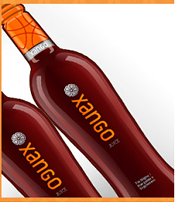
"One of them is hypertrophic cardiomyopathy [HCM]," the cardiologist said. "This is a condition which can have a genetic basis, which may run in families or as an isolated case. It's where the left ventricle has totally disorganised and thickened. Severe cases can present as sudden death during exercise. It's an unusual but serious rhythm disorder. The heart shivers and shakes and stops beating properly."

According to the Mail online

But his case is not unique, according to the charity Cardiac Risk in the Young (CRY).  Every week in the UK, 12 apparently fit and healthy young people, under the age of 35, die from undiagnosed cardiac conditions. 

Dr Steve Cox, Cardiac Risk in the Young Dr Steve Cox, director of screening at CRY, said Mr Muamba's case highlighted the need for regular screening.

'CRY wants all young people to be aware of the importance of cardiac screening and to have the opportunity to be tested,' he said.

'We already provide screening services for a number of professional sporting bodies, including the English Institute of Sport, the RFU, RFL, LTA and a number of FA teams including Manchester City.

'One in every 300 of the young people that CRY tests will be identified with a potentially life-threatening condition.'

The most common inherited heart condition is Hypertrophic Cardiomyopathy. It is not yet know what condition has affected Fabric Muamba

Muamba was 'lucky' in the sense the paramedics and the team doctor Jonathan Tobin was just seconds away  fully trained and immediately came to give CPR. Tobin gave Muamba mouth to mouth in an effort to restore his respiratory function, a procedure he administered in front of almost 40,000 football fans, reported the Telegraph.

"Fabrice was in a type of cardiac arrest where the heart is showing lots of electrical activity but no muscular activity. It's something that often responds to drugs and shocks.

"Fabrice had, in total, 15 shocks. He had a further 12 shocks in the ambulance [after three at the ground]."

The latest news today is that Fabrice is conscious and has spoken to family and friends.  It is still early days on his road to recovery.